In 2014, I participated in the IDS program, which was my first encounter with performance driving. In this program, we completed a number of exercises, including emergency braking, avoidance, slalom, throttle control and the skid pad. This was also my first introduction to car control outside of the occasional snow day. With real instruction and a taste for excitement, I pursued my career with the PCA UCR DE program.
Since then I’ve developed my driving skills and now participate as an Instructor with the club. I’m an active racer in the PCA Club Race program, run with a team in the Lucky Dog Racing endurance league, am a member of VARAC and regularly participate in the Vintage Grand Prix, and can often spend my evenings on a SIM rig or tinkering with the car. While I do spend a considerable amount of time behind the wheel on a race track, and have gained experience in car control in a track/race environment, I have not really pushed the limits as we did in the IDS. This is for a reason, as at high speeds, the consequences can be costly.
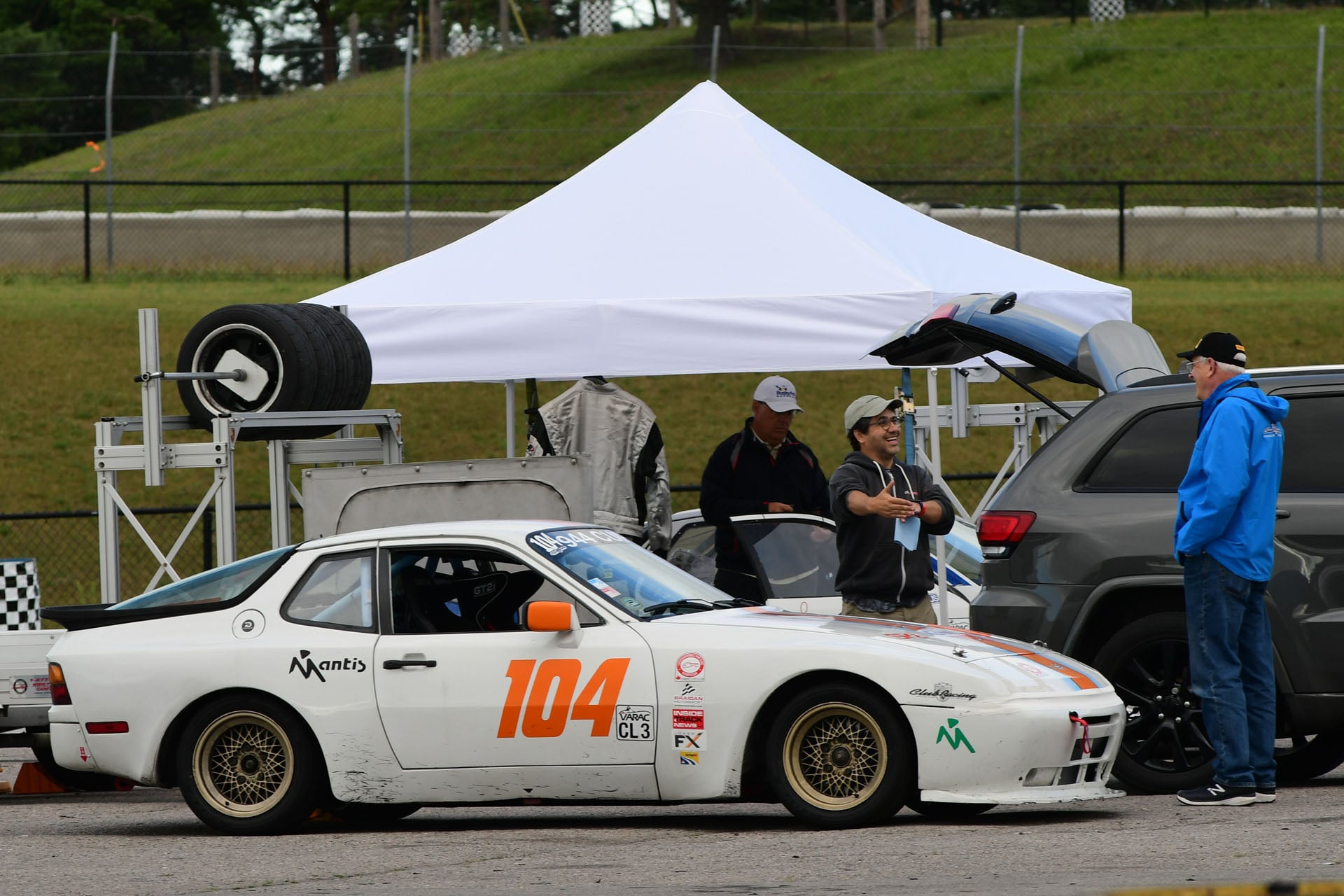
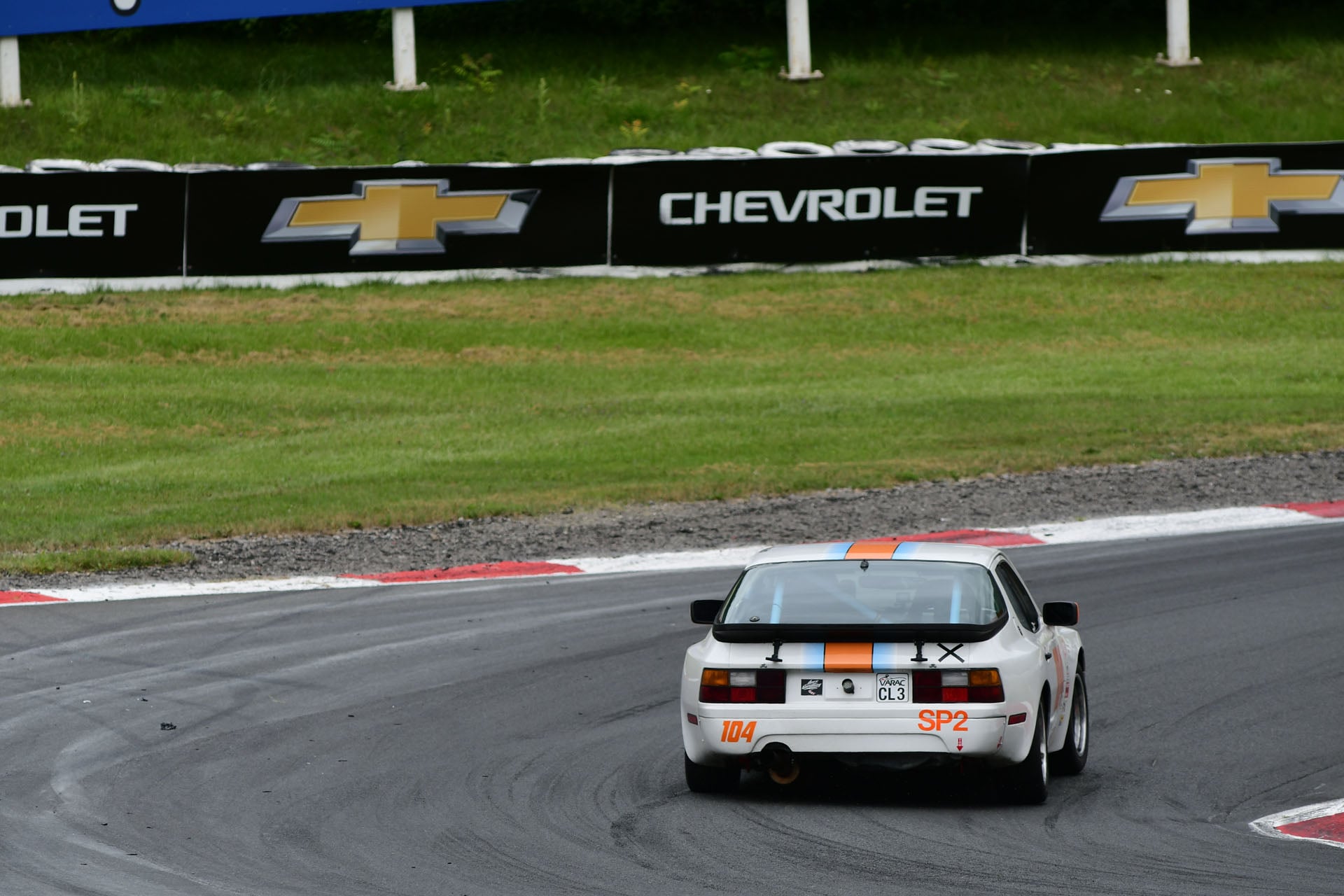
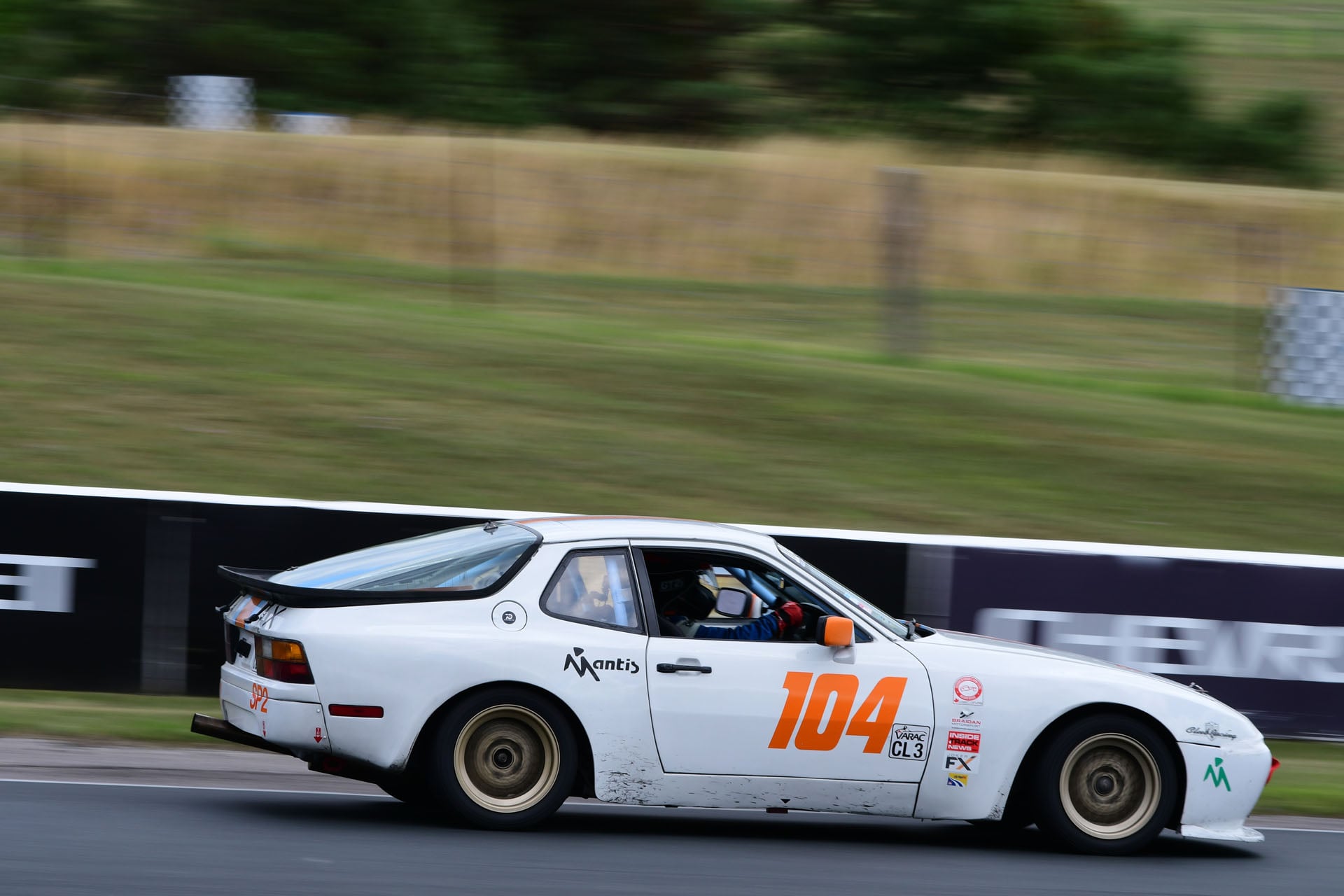
I am generally a cautious driver opting for smoothness and extracting the most out of myself and the car at hand, though the desire to pursue car control to the limits has never left my mind. Since I drive a race-prepped 944, technology assists are limited to tires and a steering wheel, thus you become very reliant on vision and feel. The driving experience is less about technology and more about understanding physics. As a result, spending time driving in the rain/wet conditions becomes very valuable. In the wet, all inputs are hypersensitive and the extremes are intensified. Some of my greatest learning moments have come from being instructed and driving in the rain.
Getting back to the skid pad, two years ago my son was of driving age and, like many other teenagers, had been asking for me to try drifting with him. I had little interest in drifting so if I was to do this, there were some requirements. First, my son would need to participate in the IDE and understand what it’s like to drive on a track. This helps develop the appreciation of speed and control and the realization that speed on the roads is never satisfying. In 2023, my son participated in the IDE and had his first track day at Canadian Tire Motorsports Park. This experience quickly developed some respect and interest in motorsports.
In the past two years, we (actually I) purchased a BMW e46 330, and we (actually I) spent many weekends and evenings building it into a drifter. The most basic setup is a car that has a manual transmission, and the differential is welded so that both wheels turn at the same time. This does make it difficult to turn in a tight radius at slow speeds. As you progress, benefits can be had by adding an angle kit that allows you to increase how wide you can turn your front wheels. What becomes very apparent is that even with this basic setup, the inputs to the car in steering and throttle become hyper-sensitive, thus effectively giving you a greater range of control.
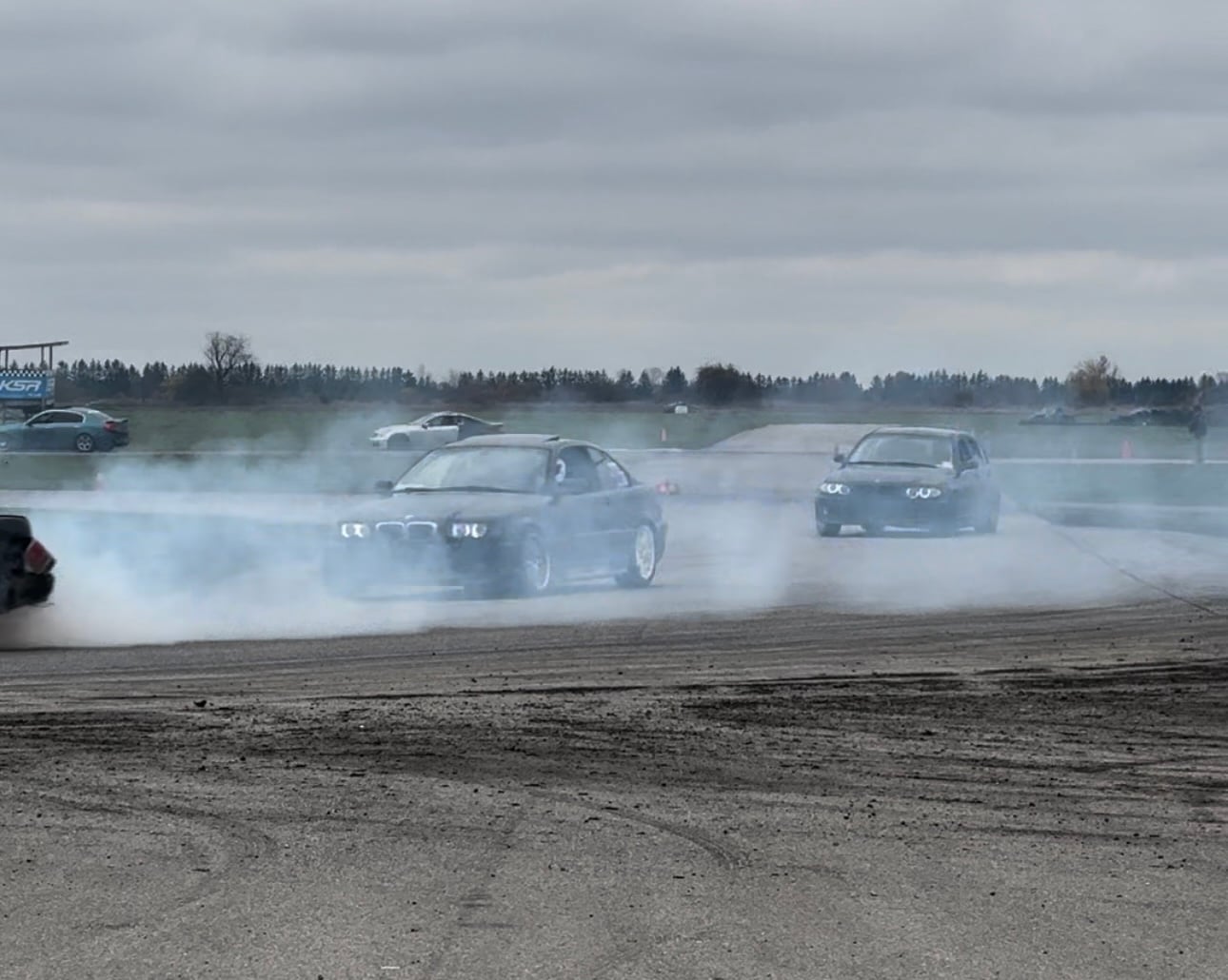
My perspective on drifting is that it’s actually a lot more fun than it should be and it’s a great atmosphere and venue for understanding car control at lower speeds and at extremes. Spinning out is commonplace and connecting a few corners in succession is extremely satisfying. Drifting is so much about balance, and instead of steering with your front wheels, you are steering with the back end. Throttle control becomes more important than ever and shredding four sets of rear tires in one day is so satisfying.
What I’ve learnt from driving on a track at speeds, is that as you get faster, a lot of the effort is about putting the car into a situation where you help manage it through it with balance and inputs. What naturally starts to happen is developing a feel for the car moving around as it skims across the surface. Where experience comes into play is how you react – or don’t react – to the shifts in balance, traction and engagement with the car. Most drivers will start at 70% of the potential, and inch their way up towards 100%, though most never achieve beyond 80%. Here are a few suggestions for those interested in learning more and gaining more experience with car control:
Don’t miss the opportunity to drive in the rain at Mosport – with an instructor if not comfortable. Go slow, feel your inputs and build some level of comfort and confidence.
Get out on a skid pad. Feel how your car reacts under certain conditions. You’d be surprised how difficult it can be to swing out the back end.
Get on a SIM with a drift car. Even more than for road racing, these SIMs are hyper-realistic for drifting, and a fun and safe place to get used to letting go of the steering wheel for it to spin!
Give drifting a try. It’s become popular, it’s relatively inexpensive, and drift schools exist where they provide the car so it’s arrive-and-drive.
In my quest for car control, I’ve become much more comfortable with natural rotation and the car playing with traction and balance. While I am a cautious driver, in one season this helped me improve my speed at Mosport alone with very little effort. Now I have to balance my weekends between DE, road racing – and now drifting. </>
Photography by Joanne Martin